
Tech For All
Tech For All works to bridge the region's severe digital divide by increasing access to technology, digital skills, and opportunities for Indigenous and rural women and their communities.
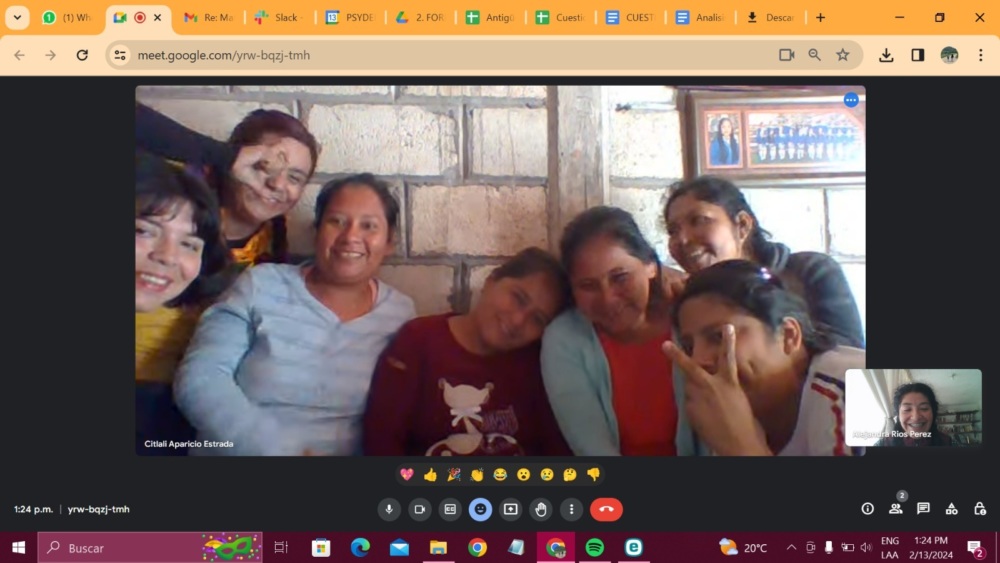
Just a few years ago, holding a video call in the PSYDEH office was nearly impossible due to poor connectivity. Many cooperative members had never used a computer, and reliable internet was virtually nonexistent in many Sierra communities.
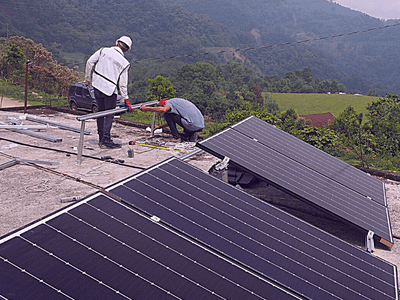
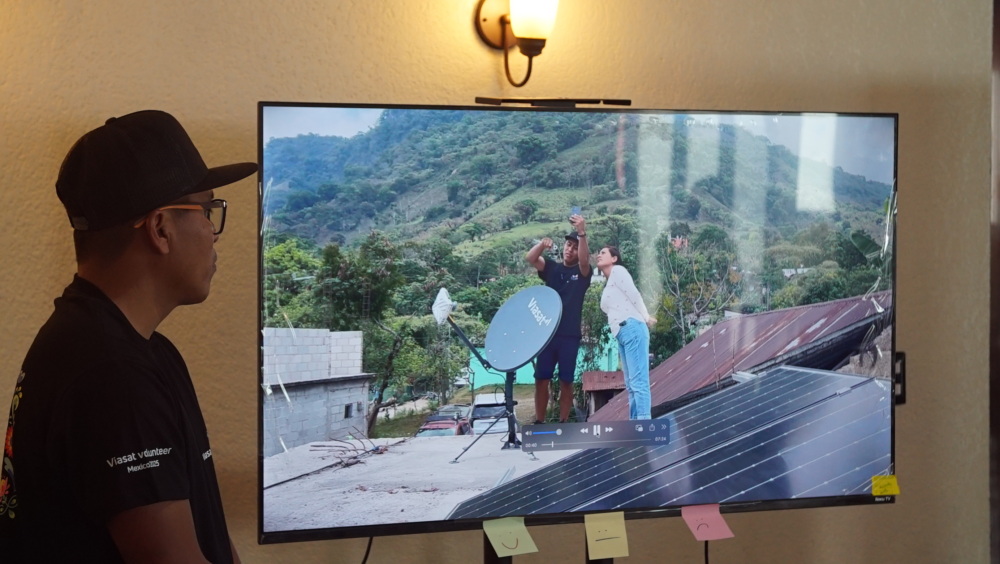
With support from transformative partnerships, PSYDEH has established digital literacy training at 6 regional Digital Resource Centers with over 90 donated computers, powered by satellite internet and solar energy. These community hubs serve as safe gathering spaces where women meet for workshops, assemblies, training, and collaborative work, while also providing reliable equipment, internet access and digital learning opportunities.
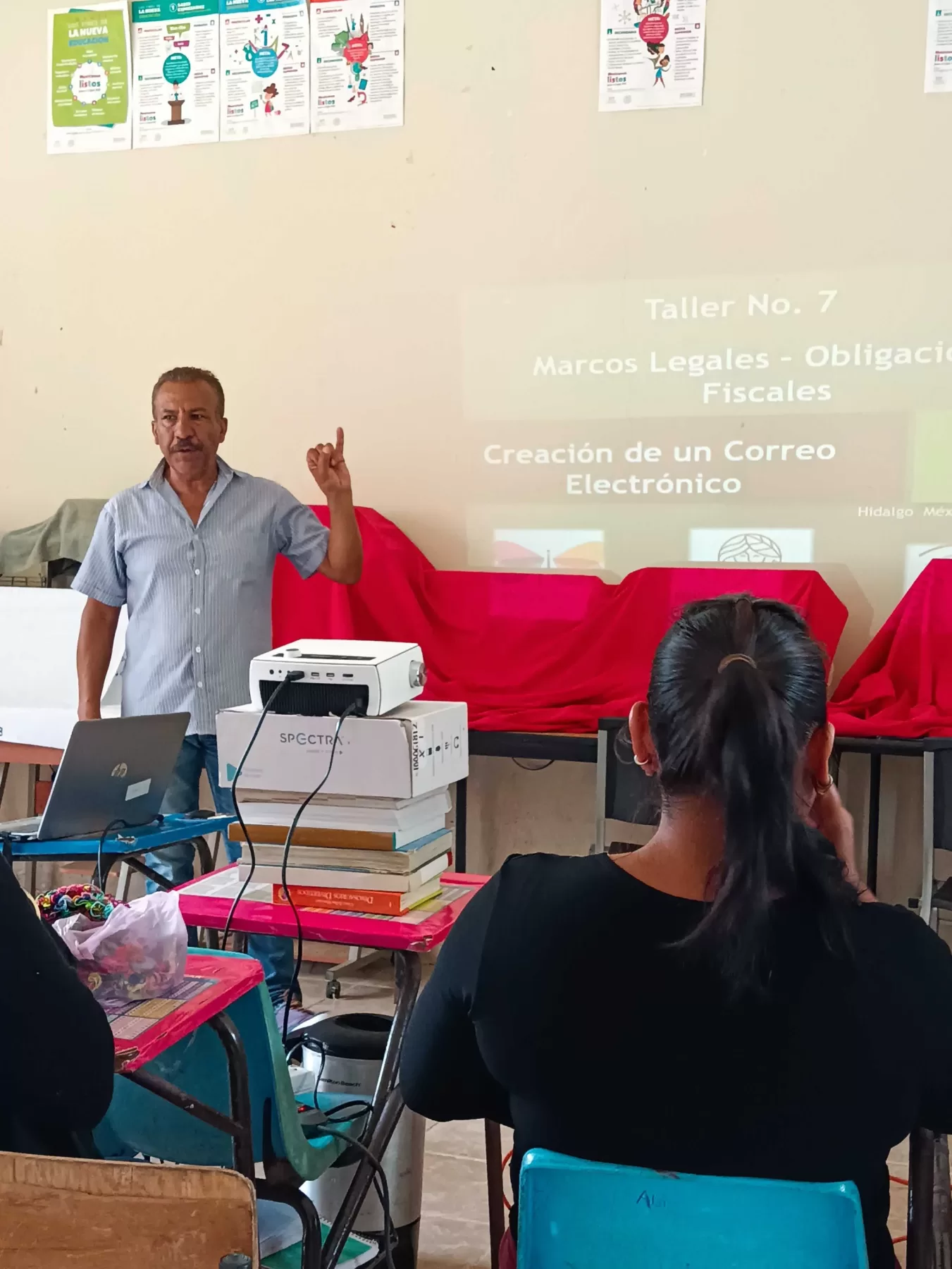
In a region where an estimated 0.01 percent of families have household computers, over 200 women have participated in digital literacy workshops at PSYDEH’s digital resource centers learning new tools, navigating online platforms, and strengthening their cooperative businesses.
Digital inclusion strengthens economic opportunities, community leadership, communication, and participation in an increasingly connected world.
Our Model for Digital Inclusion
Access
Connectivity & Devices
Infrastructure & Access Digital inclusion begins with the essentials: reliable electricity, internet connectivity, and access to a device. In many Sierra communities, frequent power outages, limited connectivity, and a lack of computers or smartphones make it difficult to access information, communicate, learn online, or participate in economic and civic life.
Use
Digital Skills
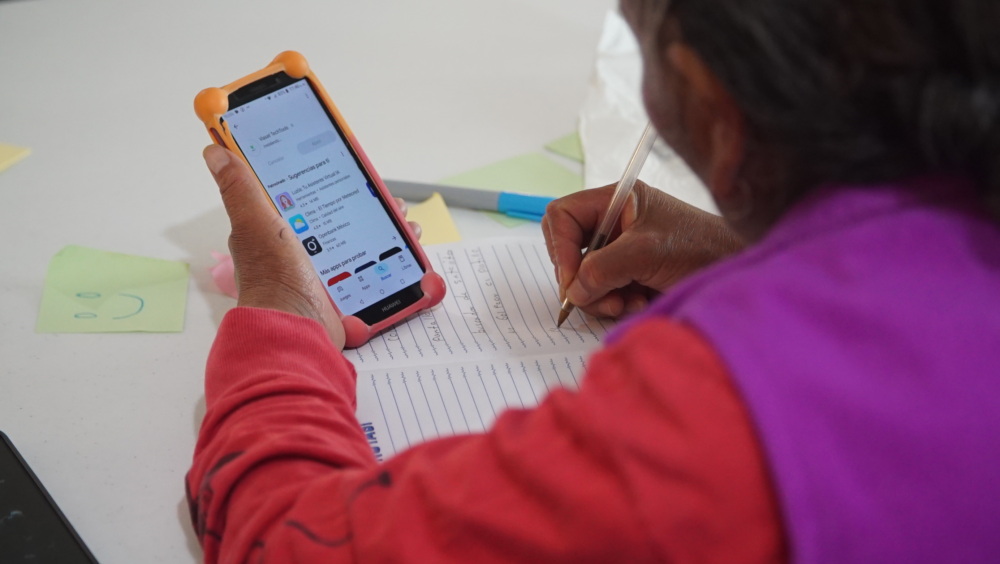
Technology only creates opportunity when people know how to use it. Building confidence with computers, online platforms, and digital tools enables participants to communicate, learn, access services, and safely navigate the internet.
Impact
Applying Digital Tools
Digital inclusion goes beyond access and skills. Participants learn to innovate and apply technology to real-world challenges—strengthening businesses, marketing products, accessing information, connecting with new networks, and participating more actively in civic and economic life.
By The Numbers
A snapshot of how digital access and skills are expanding opportunities for women, cooperatives, and community-led development.
+20K
USD generated by women-led cooperatives over three years, contributing to a 10.5% increase in average monthly income per member and 472% growth in cooperative sales.
17
New commercial and funding partnerships established between 2022–2024 with brands, grantmakers, and wholesale buyers.
65%
Of women partners now use digital tools for business, compared with 0% when digital inclusion efforts began in 2022.
654K
USD secured in donated technology, software, connectivity, and digital services since 2022, supporting 6 Digital Resource Centers.
How Tech Transforms Our Work
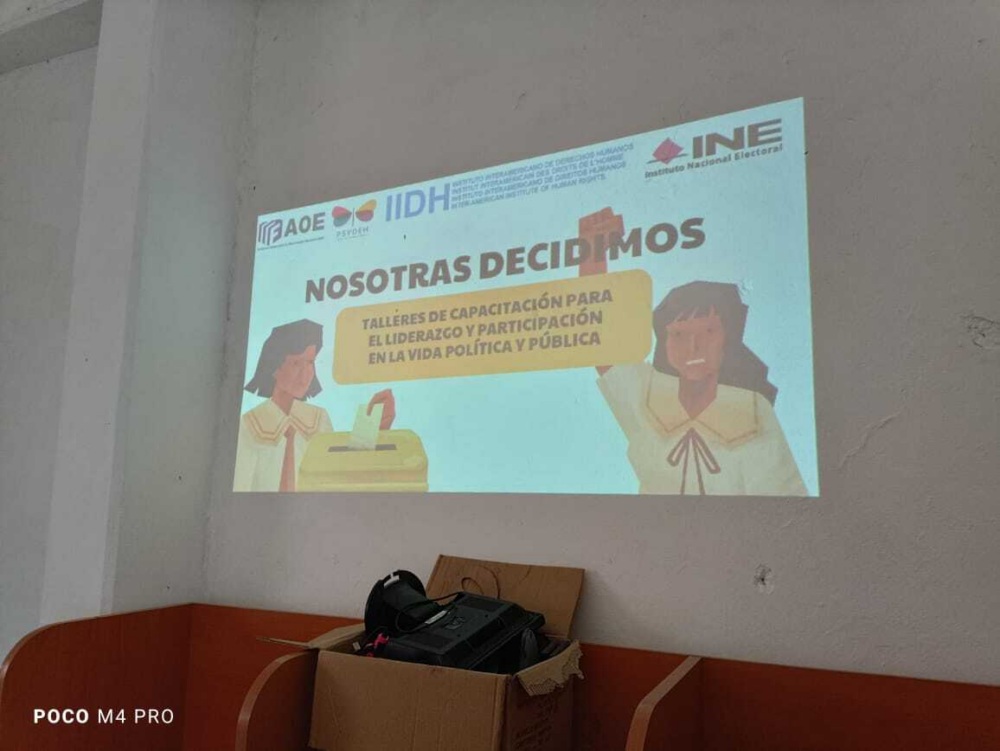
From expanding market access and strengthening civic participation to connecting remote communities and opening new educational opportunities, digital infrastructure and skills are transforming how women learn, lead, collaborate, and grow across the Sierra.

PSYDEH Program Objectives
1
Access to technology & connectivity
2
Digital literacy training & online learning opportunities
3
Digital entrepreneurship pathways
4
Youth-focused technology programming
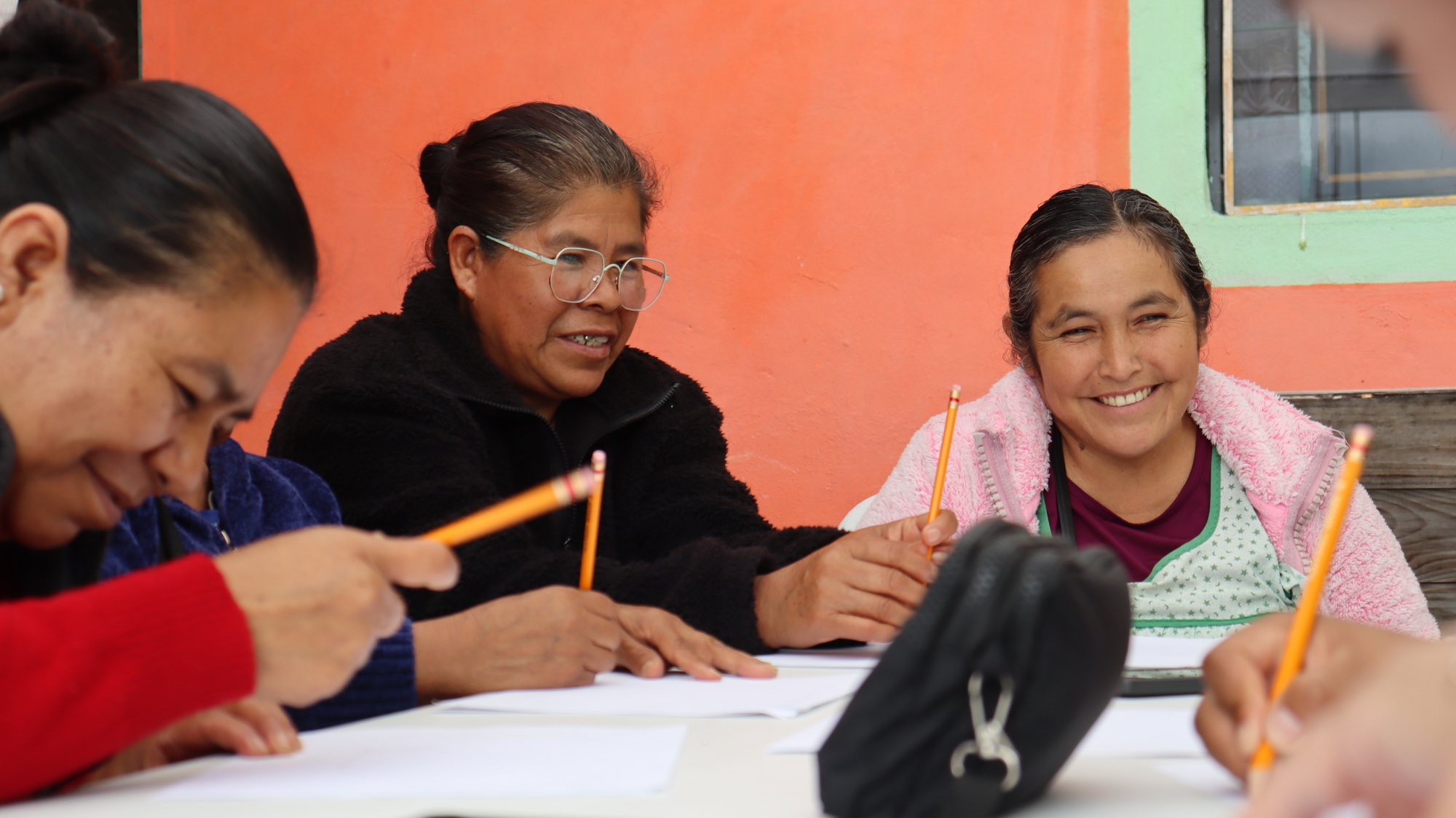
Before, I was afraid to even pick up a phone in case of damaging it. Now I can join virtual meetings and share my work. It’s important not to stay closed off. Before, we didn’t go out. Now we’re learning, we’re leading, and we’re not afraid.Ofelia, President, Tierra de Bordadoras Cooperative
PSYDEH Program Outcomes
Increased digital confidence, literacy & skills
✓ Digital Inclusion & Technology Access
Greater access to educational and economic opportunities
✓ Cooperative Autonomy & Economic Empowerment
Stronger digital participation within communities
✓ Leadership & Civic Participation
The harsh geographic conditions of the region mean that it's very difficult to guarantee any kind of internet connection in the communities where we work. Because we must travel between incredibly isolated communities it's common to have no phone signal.Jorge Echeverría, General Coordinator, PSYDEH
Now, when we arrive at the digital resource centers where internet antennas have been installed our team can use the internet during cooperative workshops, attend video calls, and inform our team that we've arrived safely at our destination— none of which was possible before Tech For All.
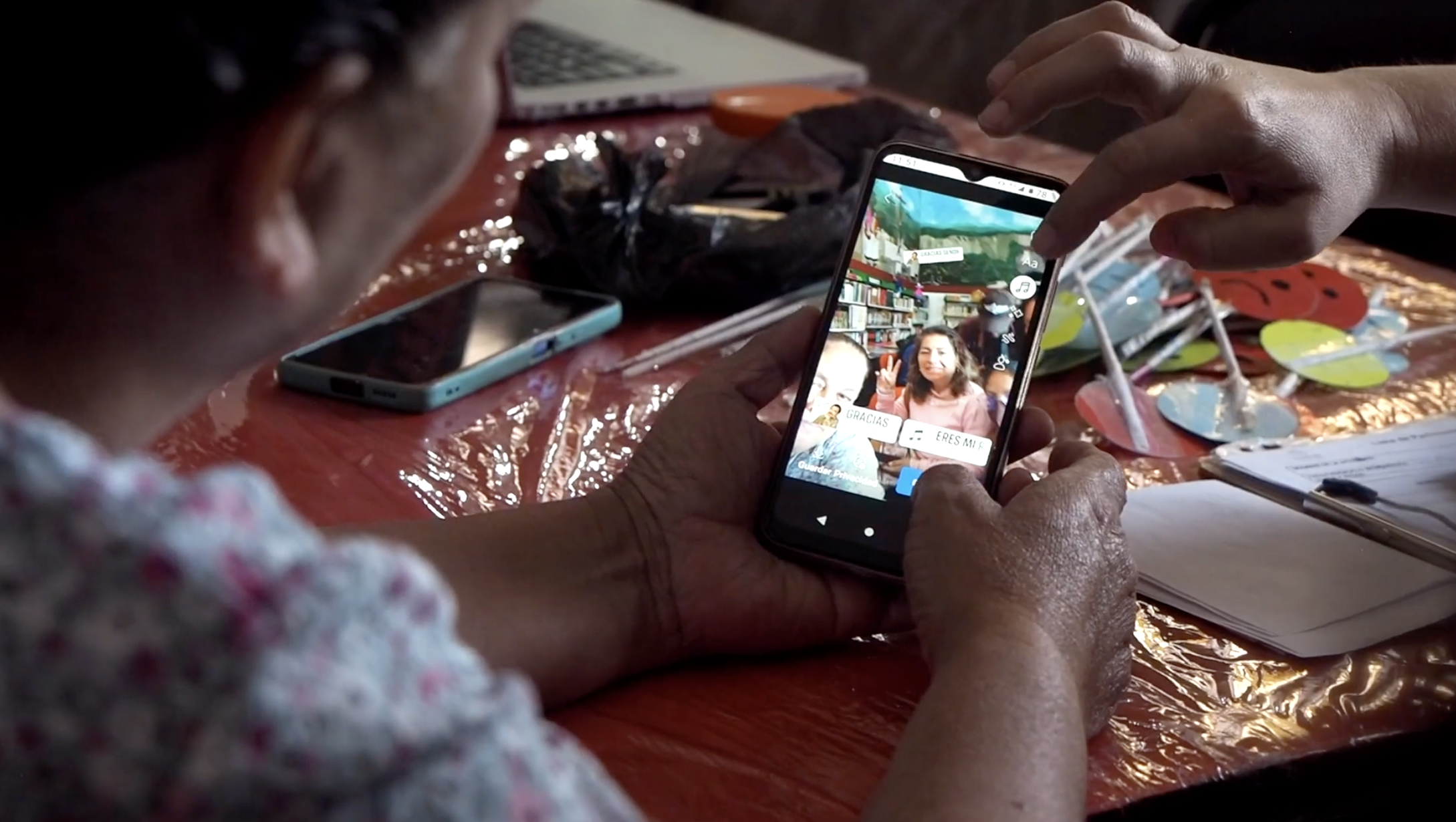
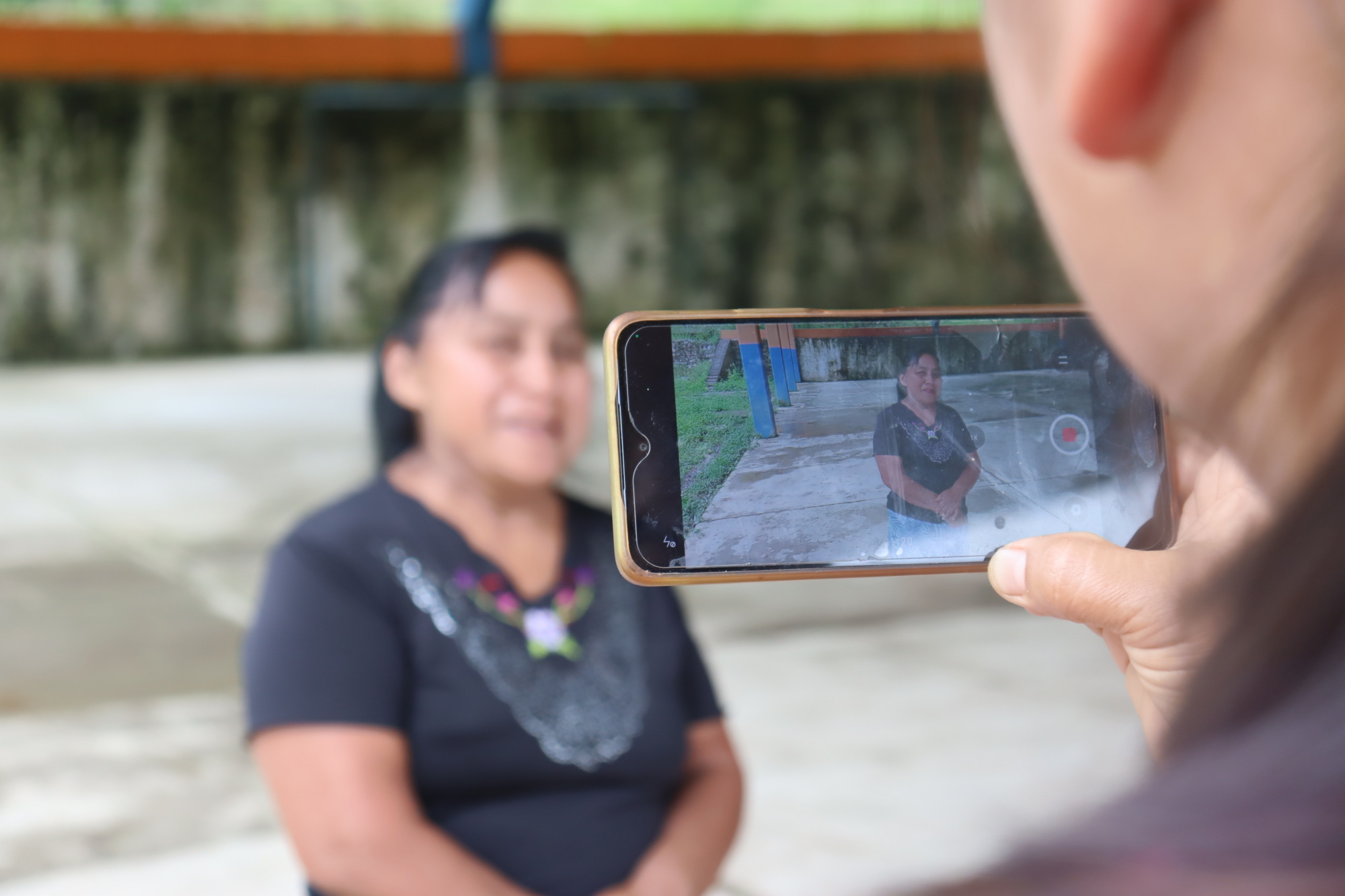
Sharing Digital Narratives
Digital Narratives is a creative storytelling course within Tech For All with two learning tracks—one for youth and one for women partners. Participants learn to use photography, video, audio, and editing tools to document their communities, preserve local knowledge, and share stories from their own perspectives.
Each cohort concludes with a community premiere, where participants present their short films and multimedia projects, celebrating local storytelling while building practical digital and creative skills.