
Where We Work
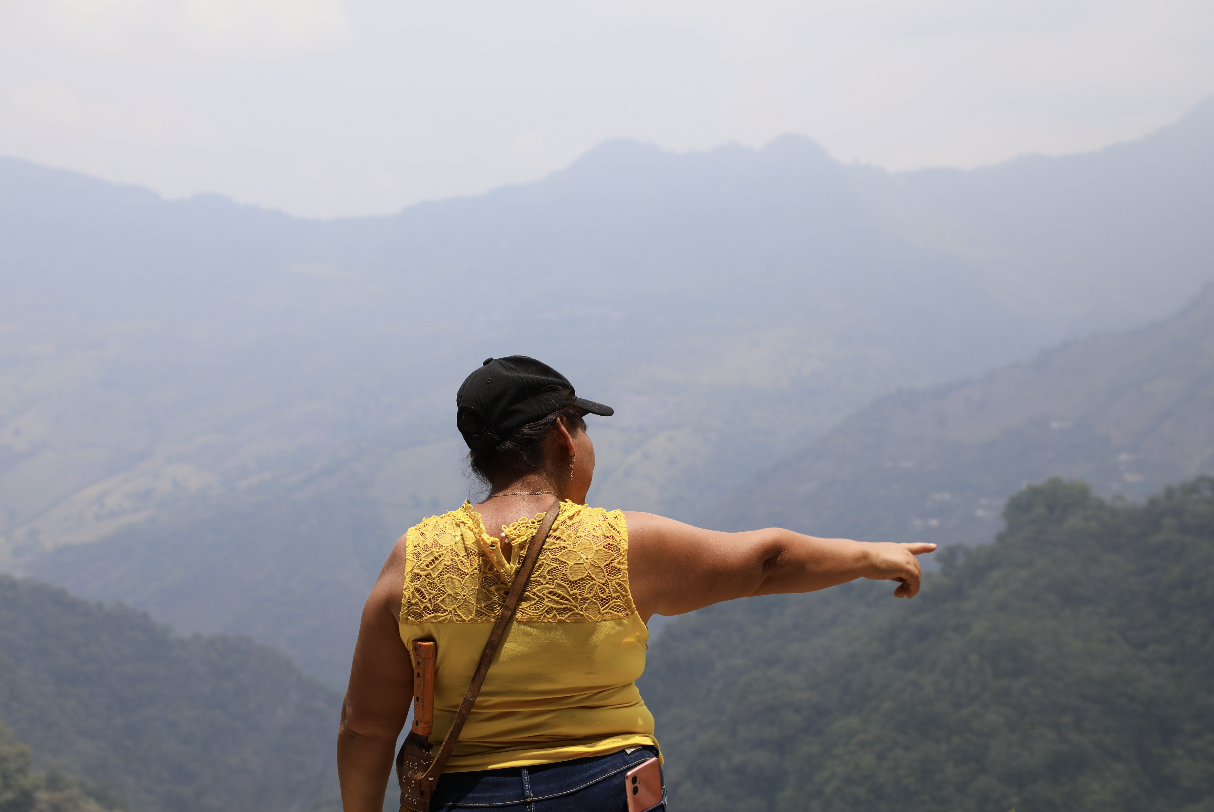
The Sierra Otomí-Tepehua of Hidalgo, Mexico
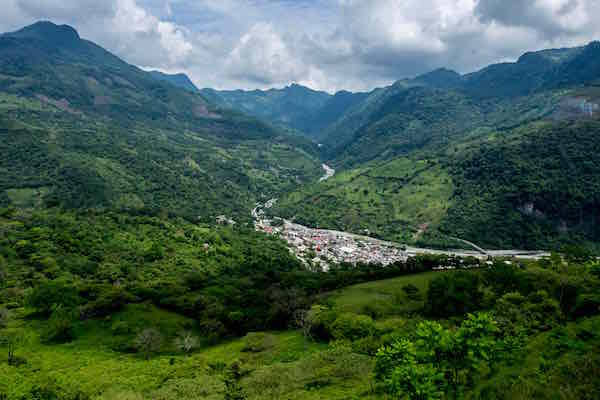
PSYDEH's work is rooted in the Sierra Otomí-Tepehua region of eastern Hidalgo, Mexico, approximately three hours northeast of Mexico City. This rural, mountainous region is home to vibrant Indigenous communities whose histories, languages, knowledge systems, and traditions continue to shape community life today.
A Place Like No Other
For generations, Indigenous communities throughout the Sierra have sustained rich cultural traditions rooted in reciprocity, collective care, and deep relationships with the land. These strengths continue to serve as a foundation for community leadership and resilience.
4
Municipalities
Our current work focuses in the 4 majority-Indigenous municipalities of Huehuetla, San Bartolo Tutotepec, Tenango de Doria, and Acaxochitlán.
100K
Residents
The Sierra Otomí-Tepehua is home to nearly 100,000 people.
60%
Indigenous Speakers
More than 60% of residents speaking Indigenous languages, including Otomí, Náhuatl, and Tepehua.
86%
Poverty Rate
A reported 86% of people in the region live below Mexico's rural poverty line.
A Region Rich in Culture & Biodiversity
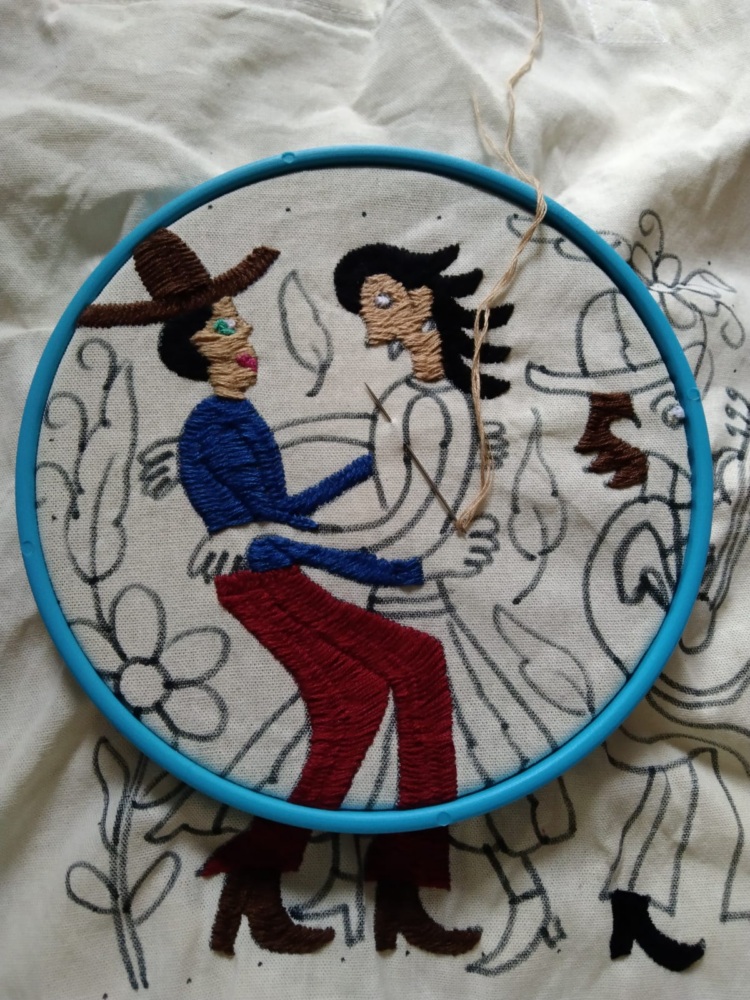
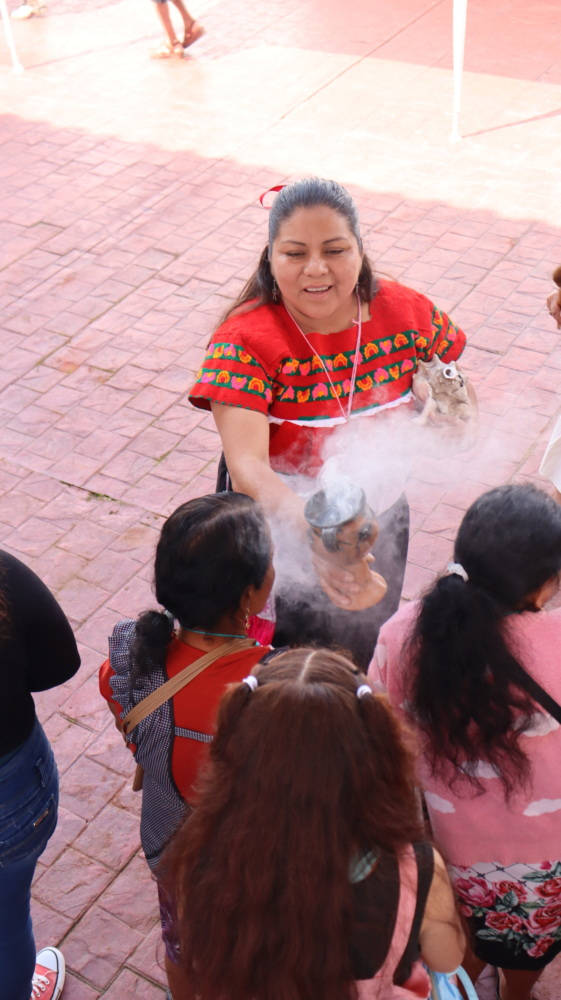
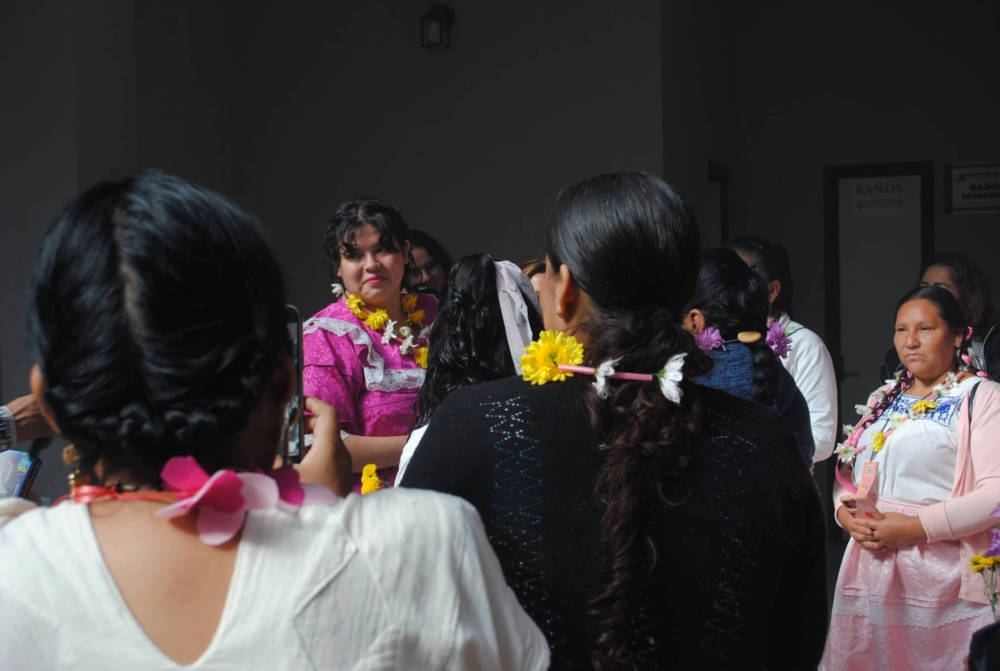
The Sierra Otomí-Tepehua is characterized by dramatic mountain landscapes, cloud forests, rivers, and extraordinary biological diversity. The region is also known for its vibrant cultural heritage and artisanal traditions. Communities maintain important practices including:
Economic Context in the Sierra
Economic opportunities in the Sierra Otomí-Tepehua have remained limited, contributing to high levels of poverty and migration. Many families rely on subsistence agriculture, artisanal production, informal work, or remittances from relatives who have migrated elsewhere for employment.
↓
Limited access to employment, education and technology
Barriers to education, employment, and digital connectivity continue to limit opportunities across the region. Many women have had little access to formal schooling; among adult participants in PSYDEH's programs, the average educational level is approximately fourth grade, underscoring the need for accessible, lifelong learning opportunities.
↓
High rates of poverty and economic insecurity
Limited access to stable livelihoods contributes to persistent poverty, economic insecurity, and migration across the Sierra Otomí-Tepehua. Many families rely on a combination of subsistence agriculture, artisanal production, informal work, and remittances from relatives who have migrated in search of employment. These income sources are often seasonal and unpredictable, making it difficult for households to achieve long-term financial stability.
↓
Heavy migration to urban areas and the United States in search of work
Migration has shaped the social and economic fabric of the region for generations. Many women report having family members who have migrated to urban centers or the United States in search of work. While remittances can provide important support, migration may also contribute to family separation, increased caregiving responsibilities for women, and weakened local economic opportunities.
↓
Underinvestment in infrastructure and public services
Chronic underinvestment in infrastructure and public services by municipal, state, and federal governments have left many communities in the Sierra Otomí-Tepehua with limited access to reliable roads, healthcare, education, internet connectivity, clean water, and other essential services, reinforcing ongoing cycles of isolation and poverty.
Key Regional Economic Activities
Traditional Embroidered Textile Art

Across the region, women artisans like those in PSYDEH’s Sierra Madre Network of cooperatives create and commercialize internationally recognized embroidery and textile traditions that represent important sources of income and cultural preservation.
Agriculture and Natural Resource-Based Livelihoods
Livestock raising, small-scale farming, coffee production, ornamental plants, fruit cultivation, and mushroom production contribute to household livelihoods throughout the region.
Emerging Regenerative Tourism Opportunities
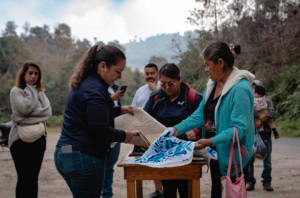
The Sierra’s landscapes, cultural heritage, traditional knowledge, and community hospitality offer significant potential for regenerative tourism projects like Route Sierra Madre to generate local economic opportunities while strengthening cultural and environmental stewardship.
Our work is grounded in the belief that communities already possess important assets and capacities for growth, change, and stewardship.
Women Leading Change Despite Structural Inequalities
Indigenous and rural women play essential roles within their families, communities, and local economies yet many continue to face barriers and discrimination. These challenges include:
↓
Limited economic and educational opportunities
↓
Gender-based violence and discrimination
↓
Social norms that disproportionately assign women caregiving responsibilities
↓
Unequal participation in leadership and public decision-making
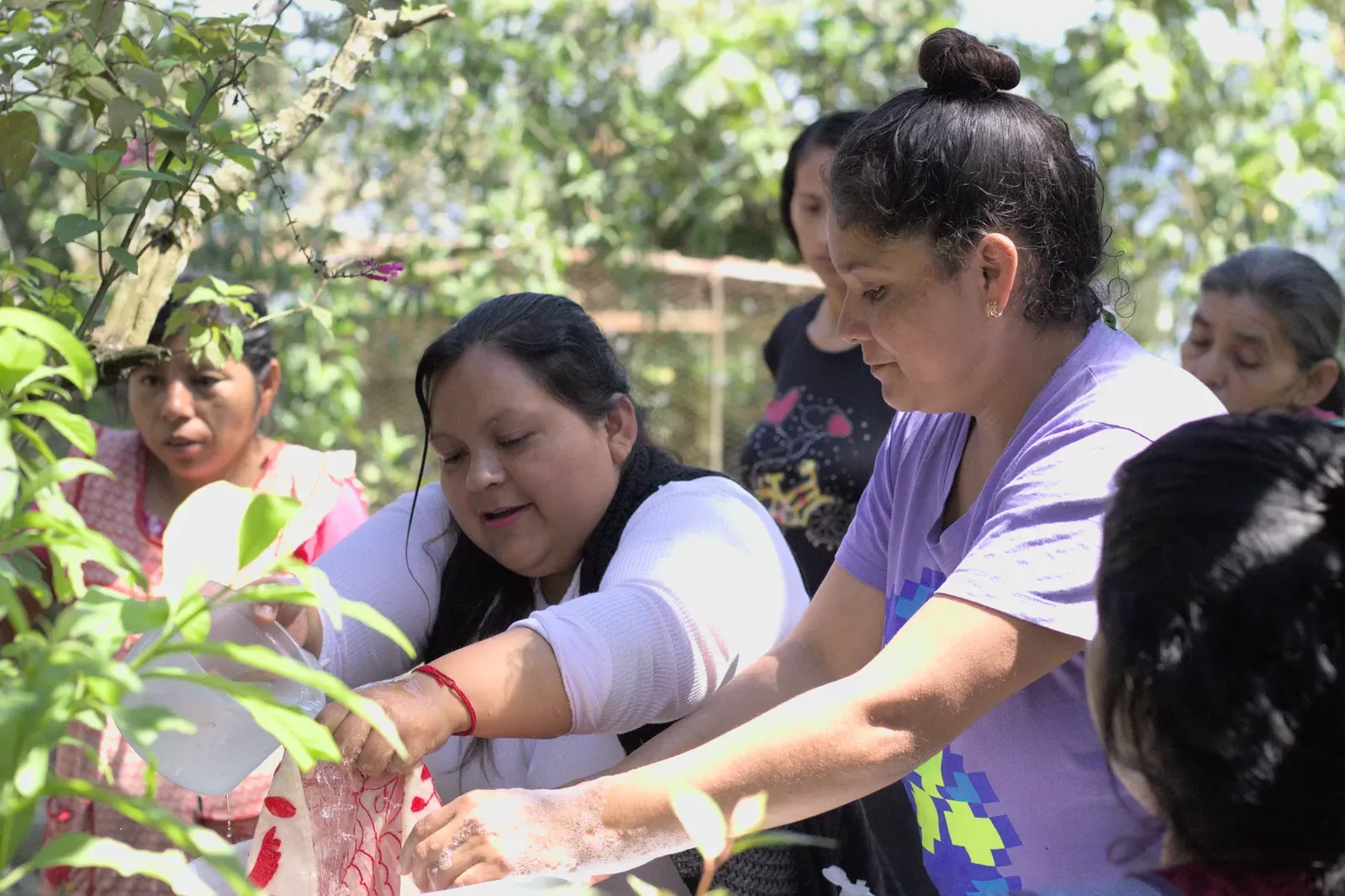
PSYDEH recognizes women as leaders and collaborators whose knowledge, vision, and collective action are essential to building more equitable and resilient communities. These strengths provide the foundation for sustainable community-led development.
Why We're Committed to the Sierra
Local Leadership
PSYDEH accompanies rural and Indigenous women in the Sierra Otomí-Tepehua because we believe that sustainable and equitable development must be rooted in local leadership and self-determination.
Self-Determined Communities
By strengthening women's leadership, economic autonomy, digital inclusion, civic participation, and regenerative systems, we seek to contribute to communities that are more equitable, resilient, connected, and self-determined.
Thriving Futures
We envision a future where Indigenous women, youth, and families have the skills, opportunities, and networks to uproot major regional challenges, shape their own futures, and build thriving communities for generations to come.
Viva La Mujer
At PSYDEH, we believe that regional challenges are not the result of a lack of capacity, leadership, or resilience within communities. Rather, they reflect broader systems that have historically excluded Indigenous women and rural populations from equitable access to resources and opportunities. By investing in women's leadership, strengthening collective capacities, expanding access to opportunities, and supporting community-led solutions, it is possible to build more equitable, resilient, and self-determined communities.